
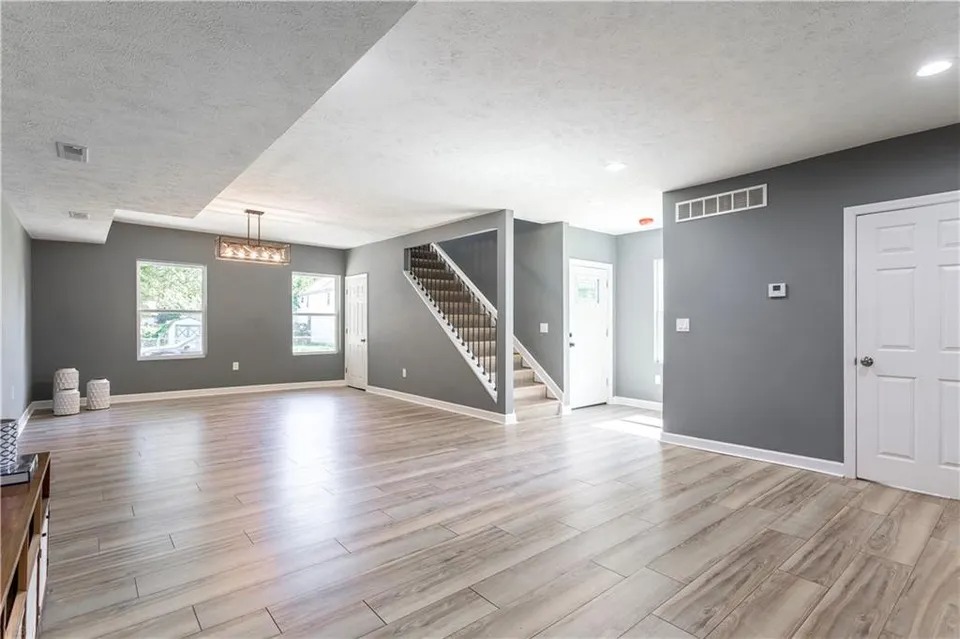
That is one reason so many home remodeling and additions projects in Northeast Ohio start with function first. Before choosing finishes or decorative details, it helps to look at how the home actually performs. Is the kitchen too closed off for the way the family cooks and gathers? Is the bathroom short on storage? Does the basement feel like wasted square footage? Are the attic and upper rooms harder to heat and cool than the rest of the house?
For many older properties, the right answer is not changing everything. It is identifying the upgrades that improve comfort, layout, storage, efficiency, and long term usability while still respecting the character that made the house worth buying in the first place.
Start with the upgrades that affect daily life the most
In older homes, the most valuable improvements are often the ones people feel every day. Better flow, better storage, better light, better comfort, and better use of underperforming space usually matter more than trendy finishes on their own.
Upgrades that improve daily living first
The biggest wins usually come from function.
- Kitchen layout and storage improvements
- Bathroom function and organization
- Basement finishing for usable square footage
- Attic conversion opportunities
- Energy and comfort improvements
- Better circulation and flow
Older homes often benefit from a phased approach. Instead of forcing every upgrade into one project, it can make more sense to improve the areas that affect daily comfort first, then plan future work around the home’s condition, budget, and long term goals.
Kitchen upgrades usually deliver the biggest lifestyle payoff
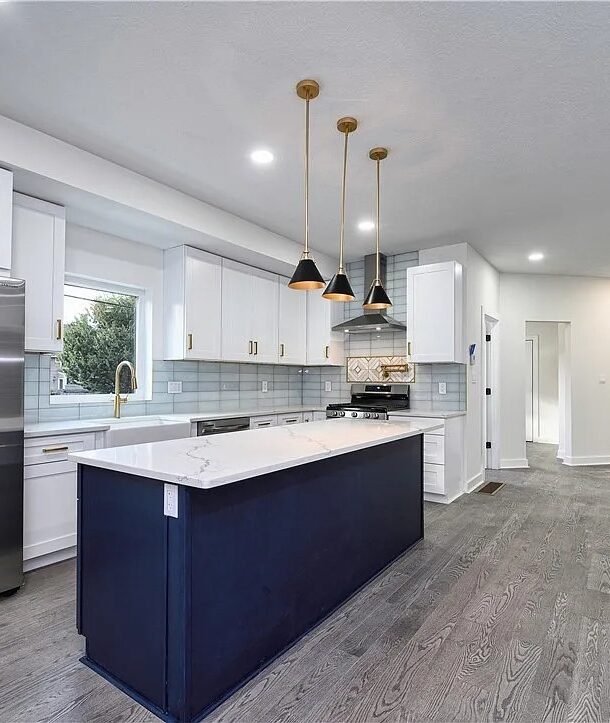
In many older Cleveland homes, the kitchen was designed for a completely different way of living. Storage may be limited, circulation may be awkward, and prep space may be too tight for how families use the room today. That is why kitchen remodeling is often one of the highest impact upgrades in a broader home remodeling and additions plan.
The biggest daily life wins usually come from improving layout, increasing usable counter space, adding better pantry or cabinet storage, and making the room feel more connected to the rest of the home. In some houses, that may mean modest reworking. In others, it may mean more substantial planning through design and planning before construction starts.
Older homes can hide conditions that affect remodeling decisions once walls, ceilings, or finishes are opened. Electrical upgrades, ventilation corrections, structural adjustments, or lead safe renovation practices may need to be part of the conversation depending on the age and condition of the house.
Do not overlook basements and attics
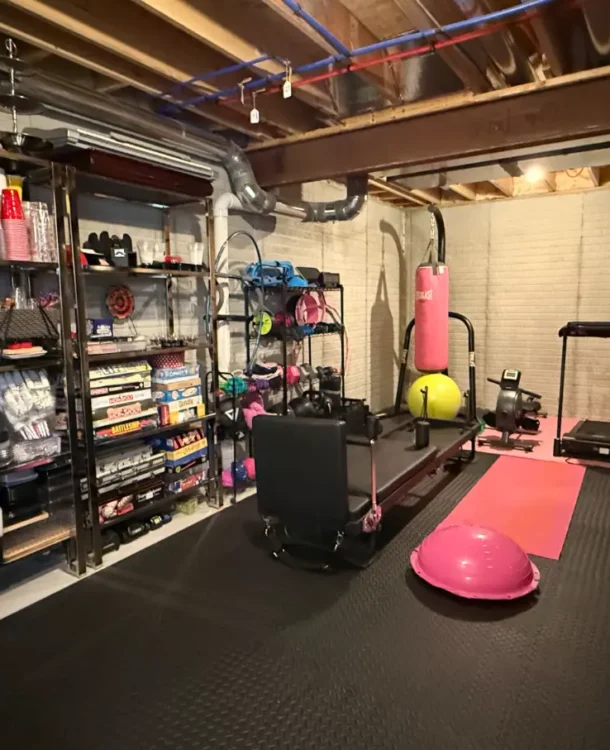
Some of the best value in an older home is not always on the main floor. A thoughtful basement remodeling project can turn underused square footage into living space, a family room, a guest area, a work zone, or a more flexible extension of the home. In the same way, some houses have real potential for attic conversions when headroom, access, and structural conditions make sense.
These spaces can change daily living more than people expect because they relieve pressure on the rest of the house. Instead of forcing every activity into the same few rooms, a basement or attic project can create room for work, storage, hobbies, guests, or simply breathing space.
What to evaluate before finishing extra space
Existing conditions matter more than people think.
- Moisture conditions and waterproofing needs
- Headroom, access, and stair constraints
- Insulation and air sealing opportunities
- Electrical, HVAC, and plumbing capacity
- Natural light and ventilation potential
- Permit and code requirements
That is especially important in Cleveland’s older housing stock, where comfort problems often trace back to air leaks, underinsulated attics, and lower level moisture issues rather than just cosmetic age.
Comfort upgrades matter more than people think
Some remodeling upgrades are visible right away. Others are the kind you notice in winter, in summer, and on every utility bill. In older homes, comfort related work can be some of the most meaningful money spent, especially when upper floors run hot in summer, rooms feel drafty in winter, or the basement constantly feels cold and damp.
That does not mean every project needs to turn into a full energy retrofit. It means older homes often benefit when comfort, envelope performance, and air movement are considered alongside finishes. A beautiful room that is still drafty, stuffy, or hard to condition is not really a complete upgrade.
Additions make sense when the house itself still works
Sometimes the smartest move is not reshuffling existing space. It is creating new space where the home truly needs it. A thoughtful home addition or expansion can be the right answer when the family needs a larger kitchen footprint, a mudroom, a primary suite, a family room, or a better transition to the backyard.
That said, additions are where planning matters most. It helps to approach major work through a clear process instead of improvising once demolition begins. For many homeowners, that starts with a close look at our process and the kind of coordination needed before construction gets underway.
| Upgrade Type | Why It Helps Daily Living | Best Fit |
|---|---|---|
| Kitchen remodel | Improves flow, storage, prep space, and family use | Homes with cramped or outdated layouts |
| Bathroom remodel | Improves function, storage, lighting, and convenience | Homes with undersized or poorly arranged baths |
| Basement finish | Adds flexible square footage without changing the footprint | Homes with underused lower levels |
| Attic conversion | Creates new living space from existing volume | Homes with suitable access and structure |
| Addition | Expands the home when existing space is not enough | Homes that need a true footprint increase |
Preserve what gives the home its identity
The best older home remodeling work is usually selective, not careless. Original trim, proportions, window patterns, masonry details, and overall character are often part of what makes older Cleveland homes appealing. Remodeling should improve livability without flattening that identity into something generic.
That is also where experienced planning matters. Some homes need straightforward updates. Others may involve more careful coordination, partial reconfiguration, or even property restoration work where preserving character matters just as much as improving function.
Older homes are a major part of the housing stock across Cleveland and the surrounding area. That makes renovation decisions here a little different from newer suburban markets where layout, construction methods, and infrastructure are often more uniform.
Remodel the house you have for the life you want now
Older homes in Northeast Ohio can be incredibly rewarding to live in, but they usually perform best when renovation priorities are chosen carefully. Kitchens, bathrooms, basements, attics, additions, and comfort focused upgrades all have a place. The right answer depends on what is making the house harder to live in today and what would improve that most in the years ahead.
Whether the next step is exploring past projects, learning more about EZ&T Construction, or starting a conversation through the contact page, the goal should be the same: make the home more useful, more comfortable, and more aligned with daily life without losing what makes it worth preserving.
Planning updates for an older home in Northeast Ohio?
EZ&T Construction can help you think through layout priorities, livability upgrades, and the right path forward for a home that needs to function better without losing its character.
Contact EZ&T Construction