
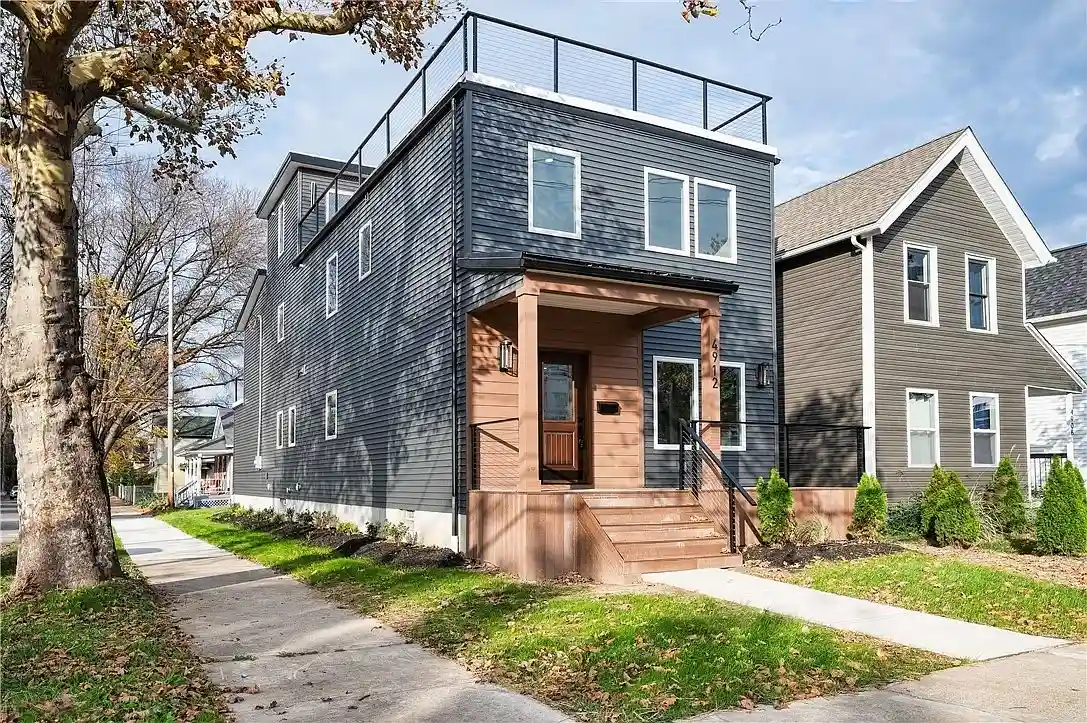
Both paths can solve real problems. But they solve different ones. Knowing which one your home actually needs saves time, money, and a lot of frustration during the planning process. This post breaks down when remodeling makes sense, when an addition is the smarter move, and what to think through before committing to either.
Remodeling works when the space is there but is not performing
If your home has enough square footage but the layout is fighting you, remodeling is usually the right answer. Cramped kitchens that are closed off from the rest of the house, bathrooms with poor storage and outdated fixtures, basements sitting unfinished and unused, attics that could be livable with the right work — these are all problems that can be solved without adding a single square foot.
Home remodeling and additions projects in Northeast Ohio often start here. A layout reconfiguration, a kitchen remodel, or a finished basement can dramatically change how a home feels and functions without touching the footprint at all.
Signs remodeling is the right move
The problem is layout and function, not square footage.
- Kitchen is closed off and awkward to use
- Basement is unfinished and mostly wasted
- Bathrooms are outdated, cramped, or poorly organized
- Attic has conversion potential that has never been used
- Rooms feel disconnected or the flow does not work
- Storage is poor throughout the home
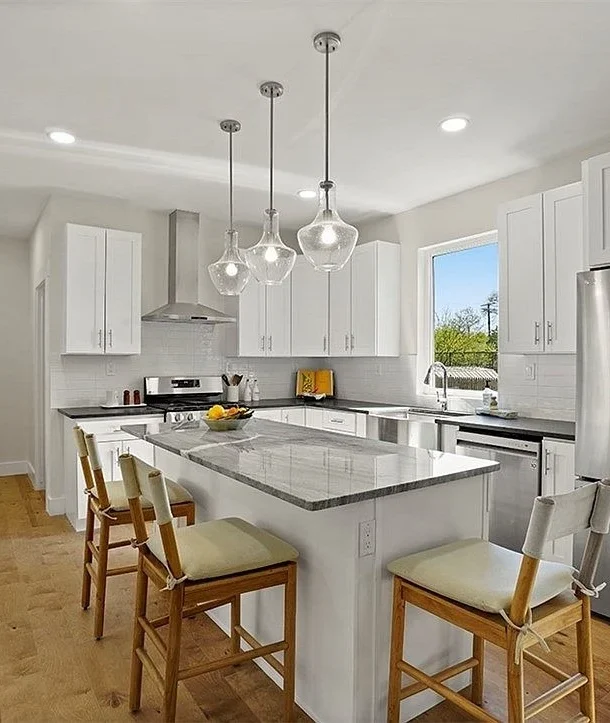
Before assuming you need more space, walk through the home with a contractor and identify what is actually underperforming. Unfinished basements and awkward attic spaces are often the most overlooked square footage in older Northeast Ohio homes.
Additions make sense when the home genuinely does not have enough space
There is a meaningful difference between space that is poorly used and space that simply does not exist. Remodeling can rearrange and improve what is already there, but it cannot create a room the house does not have. When a family genuinely needs another bedroom, a primary suite, a mudroom, a larger kitchen footprint, or a dedicated home office, remodeling has a ceiling on what it can accomplish.
That is when a home addition or expansion becomes the more practical path. You stay in the home and neighborhood you already know, avoid the cost and stress of buying and moving, and get the space built specifically around how your household operates.
An addition connects to the existing structure, which means it has to work with what is already there — rooflines, exterior materials, foundation conditions, and existing systems all factor into what is feasible and how the finished result looks and performs.
What an addition can solve that remodeling cannot
Some needs are straightforward. If the home needs a primary suite and does not have one, remodeling is not going to produce it. If a growing family needs a third or fourth bedroom and every room is already occupied, the only real option is to add space.
Other situations are less obvious. A family that needs a proper mudroom entry, a larger open kitchen connected to an outdoor living space, or a first-floor bedroom for an aging parent may find that remodeling the existing layout cannot get them there in a practical way. An addition gives the project room to work without forcing compromises on every surrounding room.
What to evaluate before committing to an addition
Site conditions and existing structure affect what is possible.
- Available lot space and setback requirements
- Foundation type and capacity for expansion
- Roofline and how the addition will connect
- Electrical, plumbing, and HVAC capacity
- Matching exterior materials and character
- Permit and zoning requirements for your municipality
The case for doing both at the same time
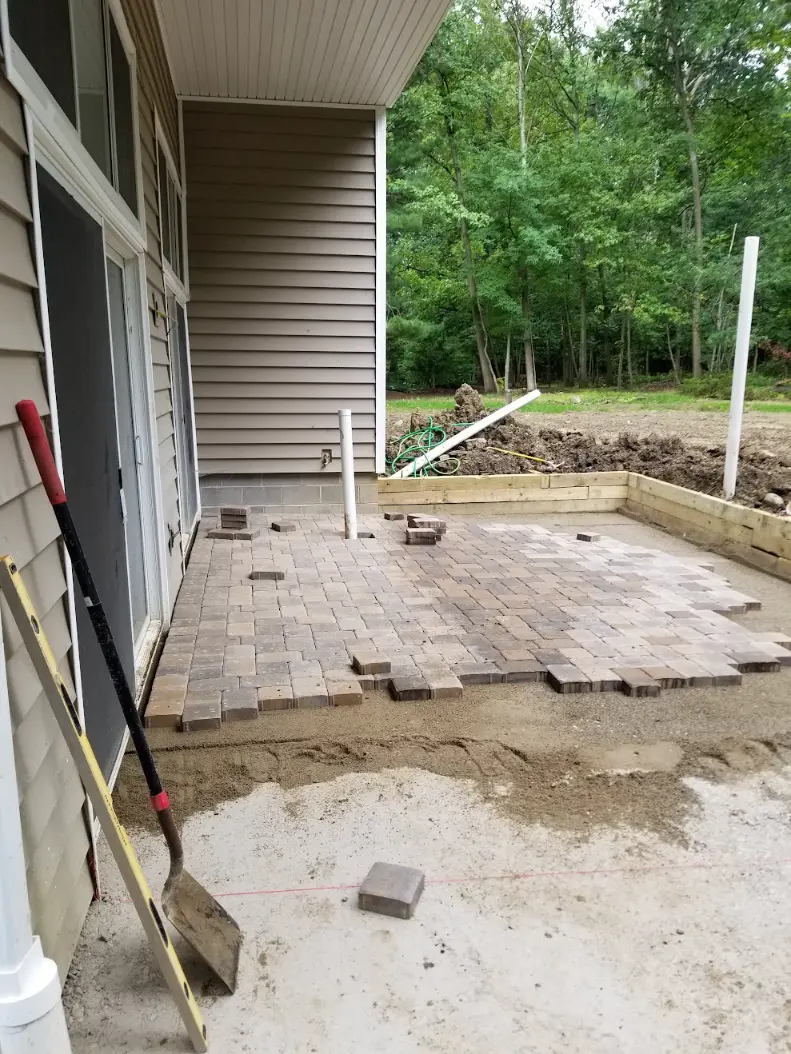
Many projects that start as an addition conversation end up combining remodeling and new construction in the same scope. That often makes practical sense. If the addition connects to a kitchen that is already due for a remodel, planning both together produces better flow, consistent finishes throughout, and fewer disruptions than doing them in two separate projects.
It also gives the opportunity to address aging systems — electrical panels, plumbing runs, insulation — in the existing home while walls are already open for the addition. For older Northeast Ohio homes especially, that kind of combined scope can be the most cost-effective way to improve the whole property at once.
A large portion of the housing stock across Cleveland and surrounding communities was built decades ago. Many of these homes were not designed with modern family use in mind. Combining a well-planned addition with targeted remodeling is often how owners get a home that functions like a newer build without leaving the neighborhood they are rooted in.
How the decision usually breaks down
| Situation | Remodel | Addition |
|---|---|---|
| Layout is poor but square footage is adequate | Usually the right move | Likely not needed |
| Need a new bedroom, suite, or office | Cannot solve this alone | Right fit |
| Basement or attic is unfinished | Finish it first | Only if those options are exhausted |
| Kitchen needs more footprint, not just updating | Partial solution | May be needed for full result |
| Home needs to grow with family long term | Depends on scope | Often the better long-term investment |
Planning matters more on additions than almost any other project
Additions involve more moving pieces than most remodels. Site conditions, structural connections, permit approvals, exterior matching, and system integration all have to be worked through carefully before construction begins. Projects that skip the planning phase tend to surface problems mid-build that are expensive to resolve.
Starting with pre-construction planning is how well-run addition projects stay on budget and on schedule. It is also worth reviewing how EZ&T approaches residential projects to understand what the process looks like from the first conversation through final walkthrough. If you want to see examples of completed work before starting a conversation, the project gallery is a good place to start.
The right answer depends on what the home actually needs
Neither remodeling nor adding on is automatically the better choice. Remodeling is faster, less disruptive, and often more cost-effective when the home has usable space that is simply not performing. An addition is the right move when the home genuinely needs more square footage and the existing layout has been maximized.
For many homeowners, the answer is somewhere in between — a phased approach that starts with the highest-impact improvements and builds toward an addition when the timing and budget are right. Either way, getting the scope right from the start is what makes the project worth the investment.
Thinking about a remodel, an addition, or both?
EZ&T Construction works with Northeast Ohio homeowners to figure out which path makes sense for their home, their budget, and their long-term goals.
Contact EZ&T Construction